
Pros and Cons of Prototyping
Whether you’re creating a physical or digital product, prototyping is widely viewed as crucial to the design process. There are several models of prototyping, each with their own pros and cons. However, one thing that unites them all is the ability to identify and fix issues early, when costs to do so are minimal.
Below we explore the concept of prototyping, the pros and cons, and the necessity of prototyping in CNC machining.
What is prototyping?
Generally, prototyping is creating the first version of something, such as a machine, component, or device. Prototyping is a system development method which allows first-time-products to be conceptualised, built and iterated quickly. The process involves multiple cycles of building, testing and reworking until the end result is reached. The prototype mimics the end product as closely as possible. Polishing and finer details must be addressed to arrive at the ‘finished article’.
You only have to look at the first car, plane or computer to see the importance of prototypes. Without them, it is unlikely that the new and improved versions we see today could have been made.
Advantages
Industries which incur major costs from incorrectly designed components – such as manufacturing, construction and software development – view prototyping as an absolute necessity.
Advantages include:
- Early identification of potential pitfalls
- Multiple opportunities to modify
- Ability to incorporate end-user feedback from the start
- Less physical waste
- Less time wasted later in the project
The main thread of these benefits is that it’s much easier and cheaper to fix your prototype than your official product – there Is nothing worse than running thousands of the wrong design through a production line! Plus, with modern manufacturing options it has never been easier to create multiple prototypes at minimal cost. Having end-user feedback so early on can also increase stakeholder buy-in, and successful sales, by highlighting previously unforeseen customer needs.
Disadvantages
Though the advantages are many, there are some disadvantages to prototyping, including:
User confusion: In some situations, it’s possible for end-users to mistake the prototype for the finished article and assume it is an accurate representation of the resulting offering. This can go both ways; on the one hand they may view the product as clunky or unfinished; conversely, they might like features originally on the prototype that didn’t make the cut for the final product.
Development time: The time element of prototyping is a trade-off. Whilst it may save time further down the line, it can slow down a project if not taken into consideration initially. Furthermore, teams can spend too long developing a complex prototype which is going to create more problems than it solves, incurring costs and time to rework.
If you’re planning on prototyping, time and budgets for the process must be taken into account before you start. Communication between stakeholders and test users is also paramount.
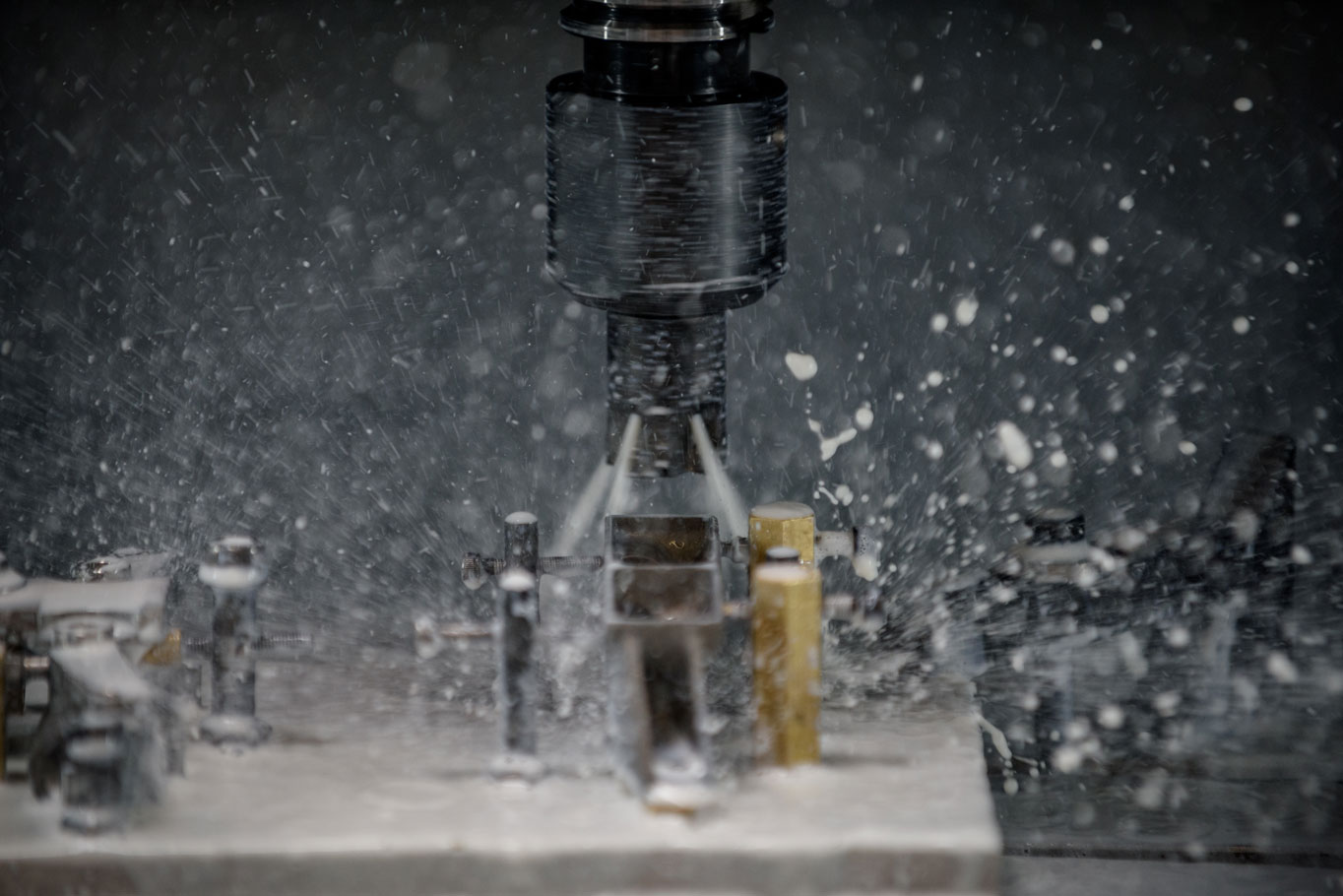
Prototyping in CNC machining
Prototyping is an essential part of any CNC machined product, as it removes potential flaws and threats that may cause issues during manufacturing. In addition, it reduces the chances of sub-standard products in the long run.
For the same reasons outlined in the advantages section above, prototyping in CNC machining saves time, money and stress as problems are detected in the preliminary stages of production. If your product requires a CNC machine to manufacture, it makes prefect sense to use a CNC machine for the prototyping process – as opposed to other methods of prototyping.
Using a CNC machine is more precise with extremely small deviation from the original CAD design. Plus, with less human interference, it offers a better understanding of how your end product will cope in the production process, highlighting manufacturing-specific issues that may need modifying. CNC machining also supports a number of materials, some from which may be difficult to craft a prototype by hand.
However, CNC machining is a more expensive route for prototyping when compared with 3D printing and paper modelling. It requires more materials (and therefore produces more waste) and you must have specialist machinery and expert knowledge to put this process into action. Using a reliable CAD software and design checklist is essential.
Conclusion: is prototyping necessary?
Prototyping may add some expense or time onto the start of a project. But when part of the initial scope, it provides invaluable breathing space for product development, offering a platform on which to iterate your product quickly and meaningfully before it heads to production. This allows time and cost savings further down the line.
Finally, prototyping can go a long way to appeasing stake holders and end users thanks to early feedback and modifications.
———-
Erlson Precision Components is a specialist manufacturer of highly engineered components and assemblies requiring the tightest dimensional tolerances for a range of demanding automotive and specialist engineering applications.
Find out more about our expertise or talk to us about prototyping and CNC machining today at enquiries@erlson.com.